
Waders--A Lesson in Perspective

Updated: 2 days ago

Dear Friends, I imagine we all have favorite hooking subjects. One of my themes is my parents. Dad died in 2022. My mom is 88 now. Late last year, I went through my photos of them at the cabin, finding this one of their waders--Mom in bibs, Dad in hip waders. I like it because they're having fun, but also they did certain chores in their waders: working on the rip-rap, pulling the dock out of the water, cleaning up the shoreline. So this photo showed them as the hard-working, do-it-yourself Midwesterners they are, and I wanted very much to adapt this one to a hooked rug. I didn't want them standing in the yard, though. They're wearing their waders, I thought, and they ought to be wading!
This post is really about a short-term failure and the choices we have when we fail. Mine was a failure to hook what I see, mainly because I relocated my subjects from the yard to the lake. The photo of my parents couldn't help me with that new perspective.
On certain days, our lake looks to me like the deep blue color of a hydrangea. I see green reeds rising up from the hydrangea-blue surface, a loon diving into hydrangea-blue water. I had a fixed image of the lake color, and I thought I could place my parents in that water and hook that deep color behind them. I was wrong. And here's the story of my lesson in perspective.

Beginning with Faces
Using a narrow cut, I hooked Mom's face pretty easily. The photo shows the right side of Dad's face in deep shadow, so it took me a while to get that right.
The challenges I anticipated were these...
--finding a way to hook Dad's plaid shirt without hooking every line in it
--hooking Mom's waders with those patches of sunlight on them
--imagining how to hook their feet underwater, since I didn't have a photo and couldn't "hook what I saw."
I didn't even foresee my problem with the lake color.

Feet Underwater
One thing I like: how their feet look underwater. I hooked Mom's blurry underwater wader boots first, and later Dad's. I had found an image of a bare foot underwater, and that helped me.
The Lake Color--My Blind Spot
I attended a retreat in Minnesota where I kept plugging away at this rug. I liked some elements, but the color of the lake behind the figures wasn't giving me the perspective of distance. I thought about how the water ripples and tried to hook that from my memory and imagination. I kept thinking it would look right when I'd gotten further with it.

I actually hooked the whole rug, bound it, and framed it. I hung it on my wall. I moved on to a portrait of Dad at 25. I looked at the dark lake color for three weeks or more. We hung the show at the arts center on June 20th, and I made a paper template of this rug. I taped up the template, because I couldn't yet hang it the rug in public. Why? Because I knew in my gut that I had more to do.

When I looked at Waders, I couldn't feel the distance across the lake. And so finally, when we were four days from Opening Night at the arts center, I pulled out almost all of the lake, and began to research images with a lake-level perspective, looking out across water.
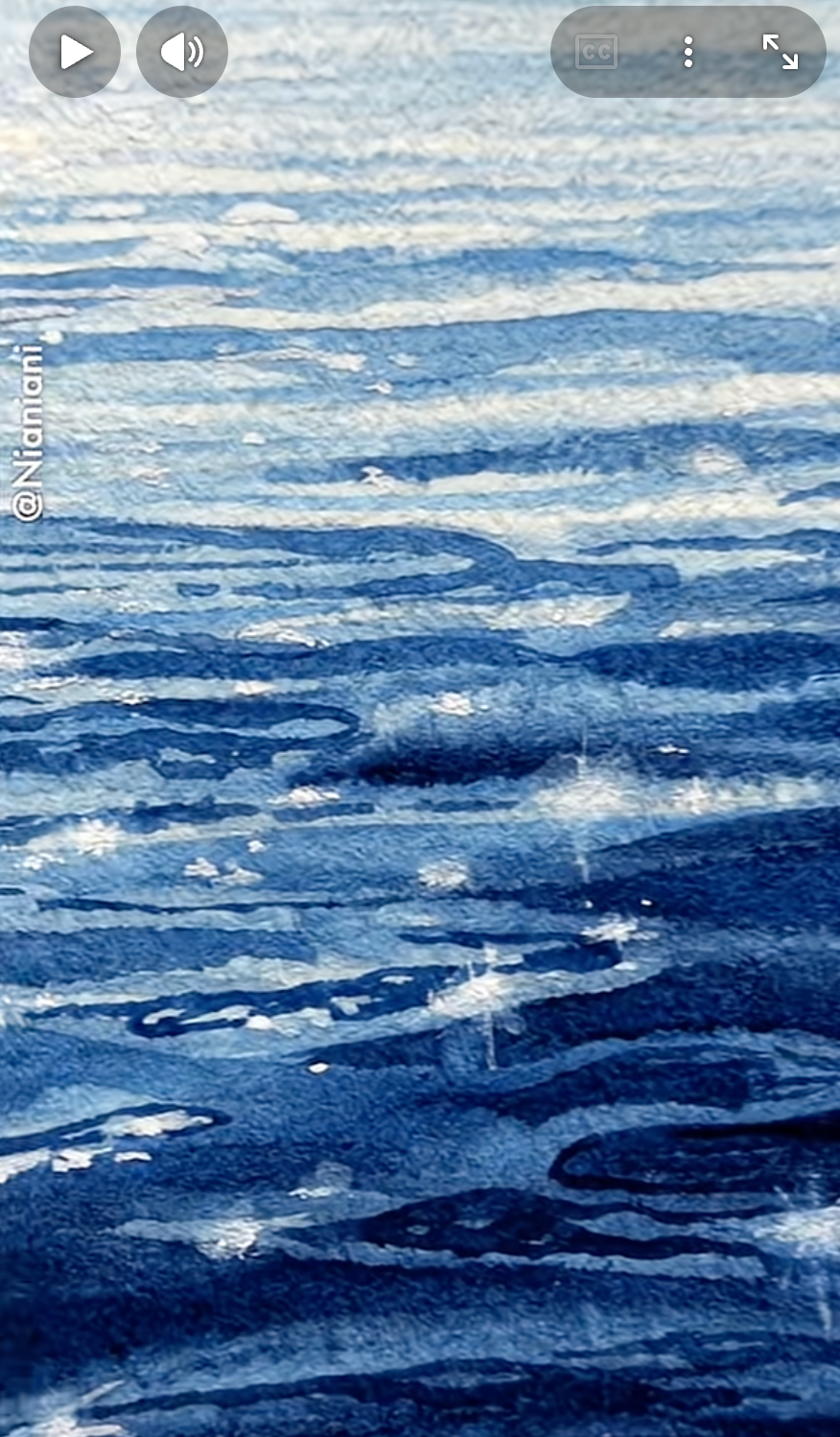
I realized that I needed zones: 1) a zone in the foreground where the wader boots appeared underwater, 2) a zone above it, showing the surface of the water behind my parents, and then 3) a zone of the lake surface moving away to the horizon and growing lighter toward the opposite shore. With these reference photos in front of me, I could make the decisions quickly and hook what I saw.
And boy, I hooked like a wild woman, knowing that I still had to steam my new loops, let the rug sit, and place it back in its frame for the show.
This is a high-stakes rug for me--it's my sweet parents! And I was happy on Opening Night to be able to take down my template and hang Waders. Since then, I have visited with a new friend, Valerie Begeman, about where the reference photo ends and where imagination begins. We should all employ our imaginations--and I'm not saying we shouldn't. But when I moved my parents from the yard to the lake, I owed myself some research! To a great extent, in order to get the desired effect, I still have to HOOK WHAT I SEE. And to see it, I needed more reference photos--of the surface close up, of the surface far away, and of how the water color changes as our gaze moves toward the horizon.
And about that hydrangea blue--I didn't imagine it. There could be a rug in my future with hydrangea blue water. (Deanne Fitzpatrick hooks them all the time.). I don't think there's a conclusive answer to the correct color of a lake. Lakes change. Perspectives change. Much depends on the color of the sky that day, on where the viewer is standing in relation to the water, and probably on many other factors. I'll keep learning. But for now, my solution will be researching carefully and hooking what I see.
Thanks for reading my Noodlings today, friends, and happy hooking!


Comments